Featured

Jai Paul’s Unreleased Album- Why It’s Still Important

In 2011 and 2012, Jai Paul released two revolutionary electronic tracks that captivated audiences and fellow artists alike. Then he vanished.

The two tracks, BTSTU and Jasmine, were released on XL Records and were received incredibly well by critics. Pitchfork described Jasmine as “A tantalizing, darkly-shaded slice of echo-pop that’s reminiscent of Daft Punk’s Discovery stunner “Something About Us”, Jai Paul’s new single is as sonically disorienting as what preceded it, with a warped bass thud and slinky, submerged synth lines gorgeously suffocating JP’s own chopped-up croon.” Jai Paul kept a low profile from the start: when he released BTSTU to critical acclaim, he declined interviews and press appearances, and would not release another track until “Jasmine”.

The album leak came as a surprise to all. Posted on Bandcamp were 15 tracks that could clearly be identified as Jai’s, but not quite mixed and mastered to album quality. In lieu of a public statement, speculation took over. Had someone stolen his demos? Did he post them himself because he was angry with his label? Nobody could say for sure what happened. Eventually, Jai tweeted this:

“To confirm: demos on bandcamp were not uploaded by me, this is not my debut album. Please don’t buy. Statement to follow later. Thanks, Jai”

-April 15, 2013

There was no statement to follow. Not a word on the subject from Jai, XL Records, the poster of the demos, nobody. The only remnant of the situation was the album itself, which is brilliant. Although not honed completely in terms of the mixes, the creative direction Jai takes is astounding. Some tracks last only 20-30 seconds, leaving you wishing he could have put together a finished product before the leak. The more finished songs are captivating, with his punchy synths and muddy guitars creating a grand soundscape that catches your ear in a way most music can’t.

Jai’s departure from the public eye after the leak lasted nearly 5 years. During that time, he became something of a cult icon to his fans, who all were craving for more material, or a sign that he was still even alive. He broke silence in 2017, by announcing a new label co-ran with his brother called the Paul Institute. Although he has not released any tracks through it, he produces and provides artistic direction for the artists on the label. It’s uncertain if he will ever make a full return to music, but I’ll be waiting patiently regardless.
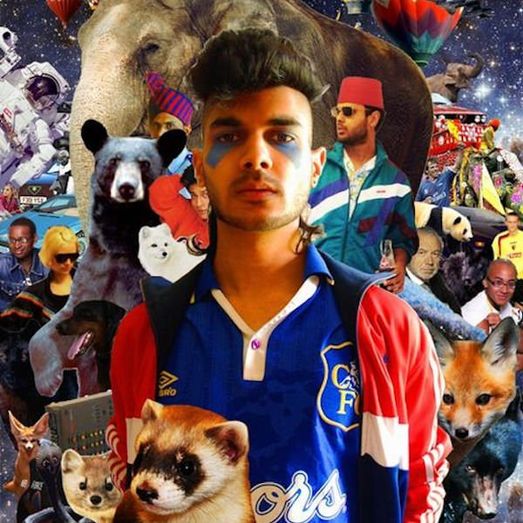
jai523

Video Killed the Radio Star: Why the 1980’s Were the Most Important Decade for Pop Music

Obviously the answer to the question posed in the title boils down to one acronym: MTV.

MTV changed so much about the way we consume music to this day. Although it no longer holds the cultural relevance it once did, its fingerprints are all over pop music- and music in general today.

Up until the 1980’s, there was no commercial point of making a music video. If you did, it was because you felt it was necessary to complement the music, not because you stood to gain something from it. This changed drastically with MTV. Artists were racing to make the most over-the-top music videos possible, and it produced incredibly interesting results. Videos for songs like Micheal Jackson’s “Thriller” and A-Ha’s “Take On Me” were so in-your-face that you couldn’t look away. MTV rivaled and eventually surpassed radio as America’s hit maker, and if you could get your video to air, you were bound to get massive exposure and a spike in sales.

MTV had something of a monopoly on music entertainment through the 80’s and 90’s, not by design, but by happenstance. However, with the internet coming into play in the late 90’s in terms of music sharing, MTV’s days on top of the totem pole were numbered. Posting videos to new services like YouTube became more economically viable, and its popularity continued to increase, bringing people away from MTV for their music content.

Although it does not have the same grip on the music industry that it does today, you have MTV to thank for the popularity of music videos to this day, and the entire era of music- some great and some not so much- that it created.

Artists’ Rights in an Ever-Changing Music Industry

A historical theme with musicians is that if they are not well managed, they end up not making anywhere near enough money for their music as they should. New artists see stars when offered a deal by a label, sign without fully understanding it, and before they know it, they’re mired with obligations to record a certain number of albums in a certain number of years. In 2008, Jared Leto’s band, Thirty Seconds to Mars, was involved in a terribly ugly litigation with Virgin/EMI Records over a breach of contract. His band was sued for $30 million they simply didn’t have (There is a great documentary on this, “Artifact”, a very good watch).

Some see streaming and its popularity as a great equalizer to artists- everyone has access to the service, so everyone has equal chance of being heard. This is not necessarily the case, as big labels have a major advantage over indie artists: money. Companies like Warner Brothers Music and EMI treat music like a series of investments. Put money into an artist to shoot a music video, gain money by taking the lion’s share of ad revenue and streaming and purchase royalties.

The simple solution would be something of a musician’s union- you pay in to a fund to provide good legal counseling to up-and-coming artists who don’t understand the business side of things in the music industry. New advances and platforms for reaching listeners create just as many opportunities to be taken advantage of by a label, so having legal firepower behind the artists is incredibly important in this day and age.